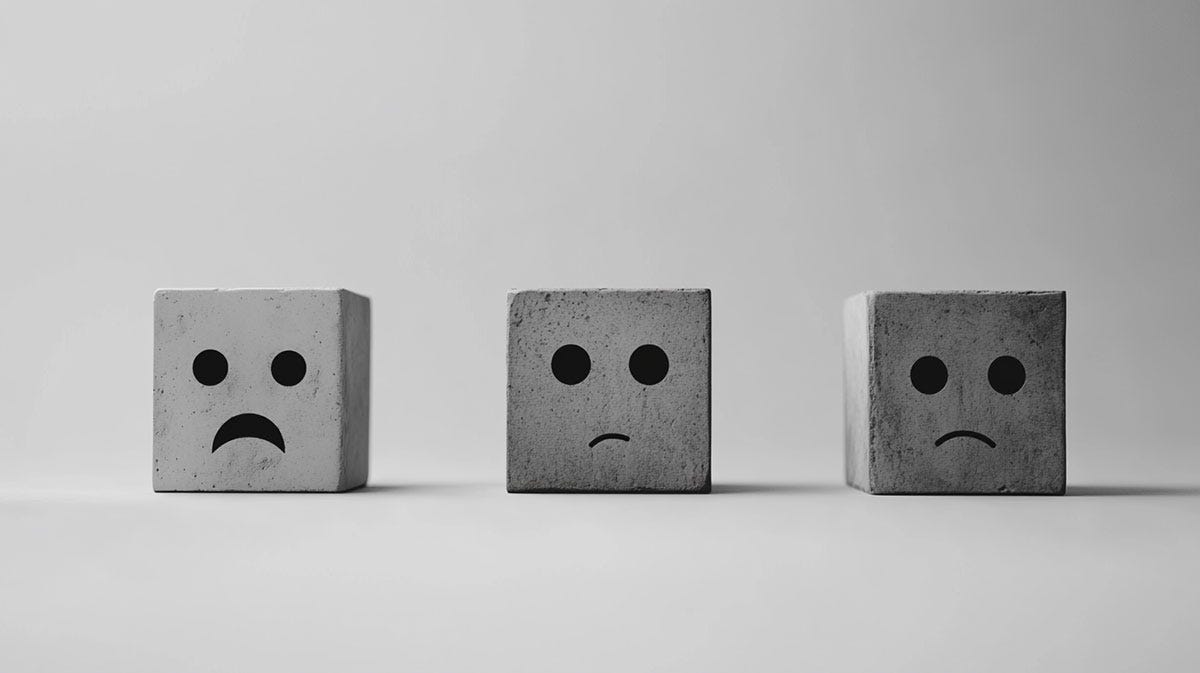
Emotional Design
Beyond Usability to User Emotional Effect

For a long time, UX designers have been all about making things easy to use. We've gotten really good at creating designs that people can figure out quickly, making it simple for users to move through apps or websites, and helping them accomplish tasks fast. But while we've been so focused on making everything smooth and effortless, have we forgotten something really important about how people interact with technology – their feelings?
Imagine for a moment: You're using two different apps to accomplish the same task. Both are equally efficient and easy to use. Yet, one leaves you feeling satisfied, perhaps even bringing a smile to your face, while the other feels cold and robotic. What makes the difference?
The answer lies in emotional design – a approach that goes beyond mere usability to create experiences that resonate on a deeper, more human level. But what does it mean to design for emotions, and why should we care?
The Hidden Language of Emotions in Design
Every color, shape, and interaction in a digital interface speaks to us on an emotional level, whether we're consciously aware of it or not. The soft blue of a meditation app calms us. The playful bounce of a button as we press it delights us. The congratulatory animation when we complete a task motivates us.
These emotional responses aren't just nice-to-haves. They're fundamental to how we perceive and interact with the world around us, including our digital environments. Neuroscientist Antonio Damasio's research has shown that emotion plays a critical role in decision-making and memory formation. In other words, how we feel about an experience significantly influences whether we'll remember it and want to repeat it.
From Usable to Unforgettable
So, how do we move from designing merely usable interfaces to creating emotionally engaging experiences? Here are a few key principles to consider:
Personality: Does your product have a consistent, relatable personality? Is it serious and dependable, or quirky and fun?
Micro-interactions: How do small, seemingly insignificant interactions (like button presses or loading animations) contribute to the overall emotional experience?
Narrative: Does your user's journey tell a compelling story? How does it make them feel at each stage?
Surprise and Delight: Where can you exceed user expectations in unexpected, delightful ways?
Emotional Intelligence: How does your design respond to and validate the user's emotional state?
The Ethics of Emotional Design
As we delve into emotional design, we must also grapple with its ethical implications. The power to influence emotions comes with great responsibility. Where is the line between creating positive emotional experiences and emotional manipulation? How do we ensure we're using these techniques to genuinely improve user experiences, not just to drive addictive behaviors or impulse purchases?
A Call to Emotion
As UX designers, developers, and product managers, we have the power to shape not just what users do, but how they feel. Every day, we're crafting experiences that have the potential to frustrate or delight, to stress or to soothe, to alienate or to connect.
So, I challenge you to think beyond usability in your next project. Ask yourself:
What emotions do I want my users to feel?
How can I create moments of joy, even in mundane tasks?
How might emotional design make my product not just usable, but truly unforgettable?
Remember, at the heart of every great user experience is a human experience. And human experiences are, fundamentally, emotional experiences.
Looking Ahead
As we move into an era of increasingly intelligent and personalized digital experiences, emotional design will only become more crucial. The products and services that thrive will be those that don't just meet our functional needs, but that understand and cater to our emotional needs as well.
So, let's embrace the complexity and beauty of human emotions in our designs. Let's create digital experiences that don't just work well, but that make people feel seen, understood, and delighted. Because in the end, isn't that what great design is all about?
What do you think? How can you incorporate emotional design into your work? And what are the potential pitfalls we need to be aware of as we venture into this emotionally rich territory of design?
I'd love to hear your thoughts and experiences in the comment section below.